
Travel Requirements & Health Advice for Thailand (2026)
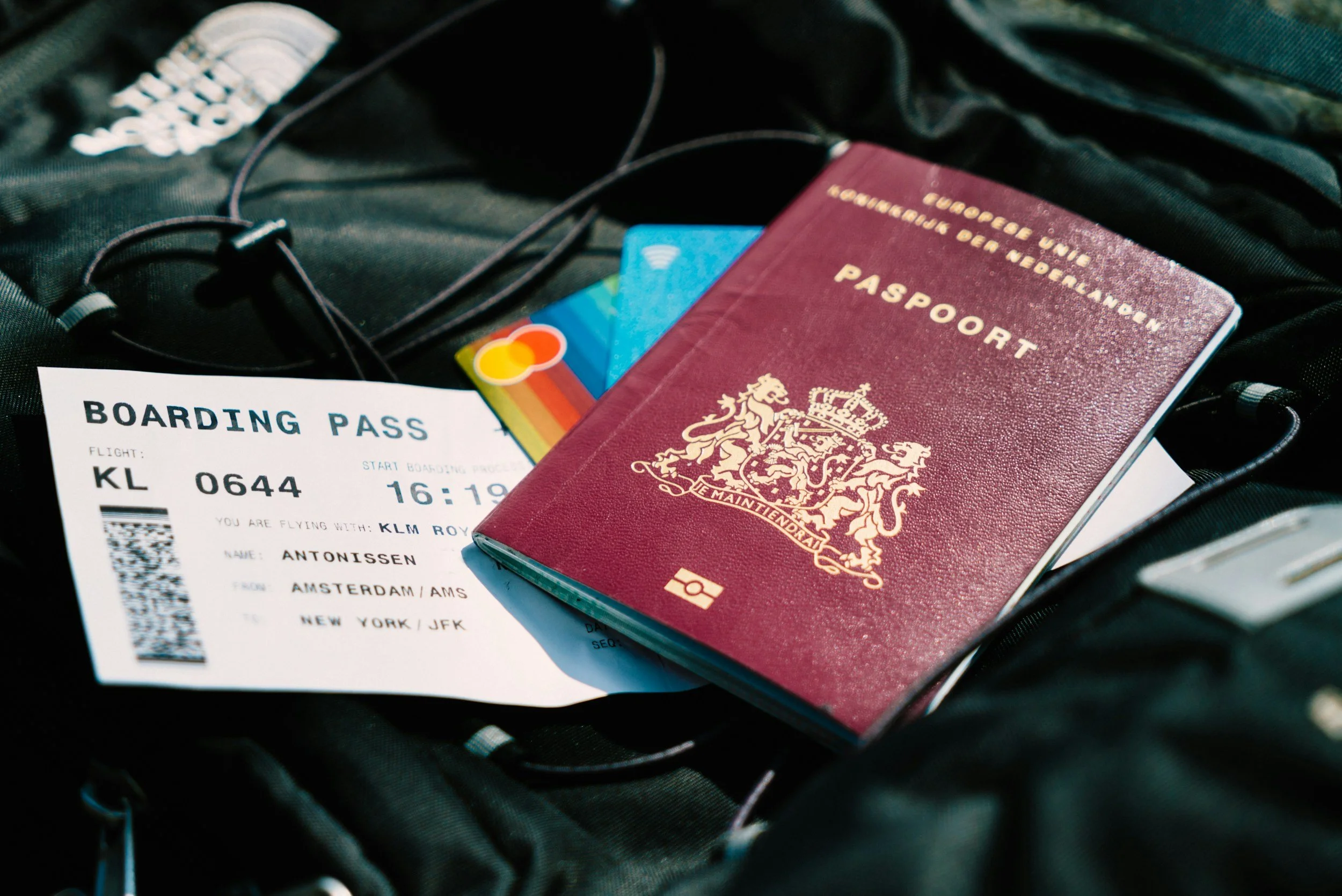
✈️ Entry Requirements
UK travellers must have a passport valid for at least 6 months from arrival and a blank page for entry stamps.
A Digital Arrival Card (TDAC) needs to be completed online before travel.
A Yellow Fever certificate is required only if you’re arriving from a country with transmission risk.
💉 Recommended Vaccines
NaTHNaC (TravelHealthPro) recommends travellers check up-to-date vaccination advice for Thailand, which typically includes (depending on itinerary and activities):
Routine UK vaccines (MMR, tetanus, diphtheria, polio)
Hepatitis A (commonly recommended)
Typhoid
Hepatitis B (typically if you are working with patients/bodily fluids or are expecting to have unprotected intercourse)
Rabies (especially if you plan outdoor activities/animal contact)
Japanese encephalitis (if staying rural/long periods in endemic areas)
Yellow fever (if coming from a country with risk)
(Exact recommendations vary with travel plans — see TravelHealthPro country page for full details.)
🦟 Malaria Risk
Malaria risk in Thailand is generally low and mostly restricted to rural forested border areas (near Myanmar, Cambodia, Laos).
Popular cities and islands (Bangkok, Chiang Mai, Phuket, Koh Samui etc.) have very low to no malaria risk.
Antimalarial tablets may be advised for specific itineraries — discuss with a travel health professional
🏔️ Altitude Sickness
Altitude sickness can occur in parts of Thailand with high elevations (e.g., northern mountains)
Symptoms include headache, nausea, dizziness and shortness of breath; gradual ascent helps reduce risk.
We may be able to help with altitude sickness prevention or medication if you plan high-altitude trekking
🩺 Top Health Tips
Visit a travel clinic 4–8 weeks before travel for personalised advice and vaccines.
Protect against mosquitoes using repellent, nets, and clothing — this also helps prevent dengue and other infections
Be prepared for common illnesses like colds or flu, diarrhoea and stomach upset or dehydration by having a travel pack with you:
masks,
cold and flu relief,
oral rehydration tablets,
diarrhoea medicines
prescribed medicines
