Hajj Vaccines in Edinburgh: What You May Need Before You Travel in 2026
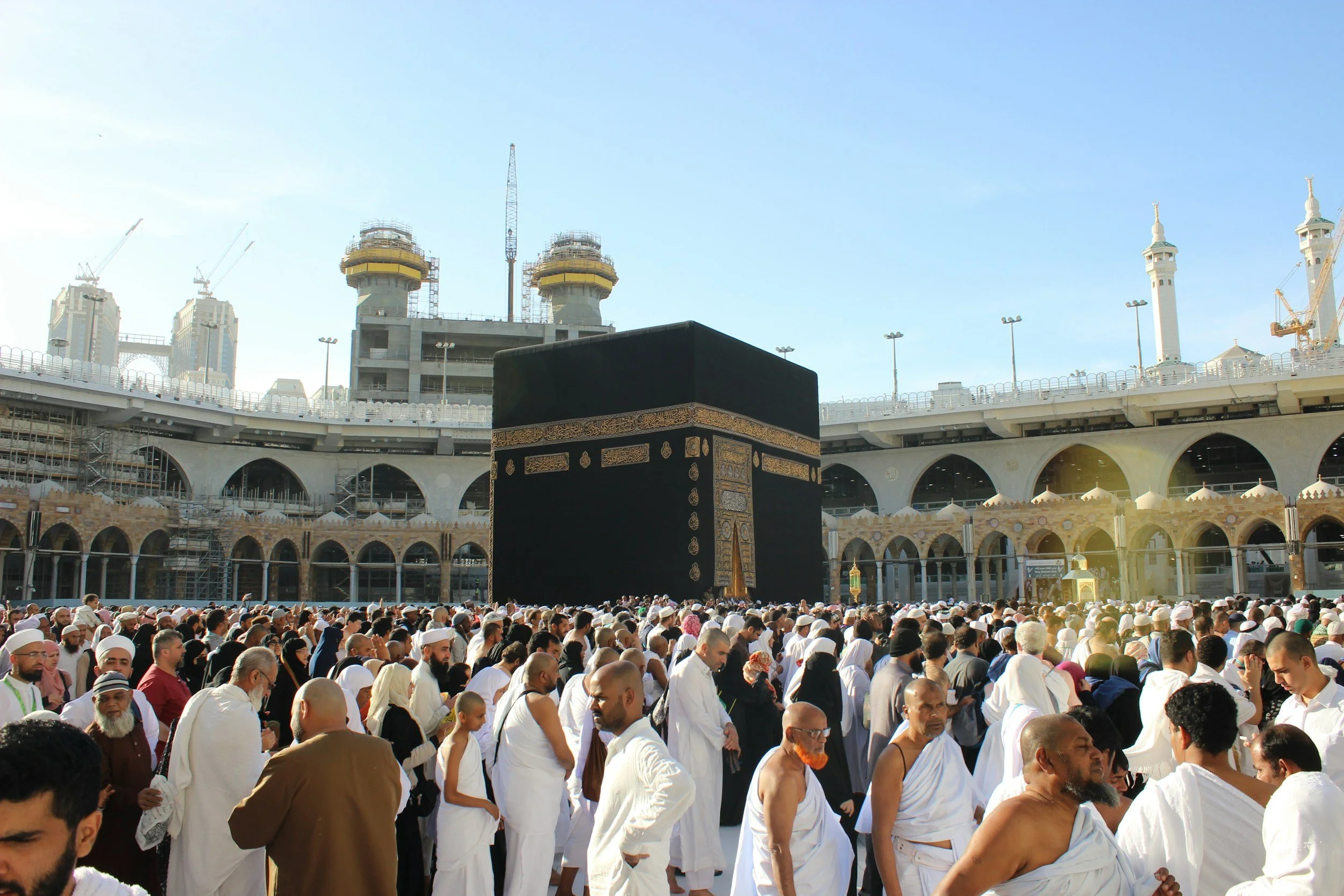
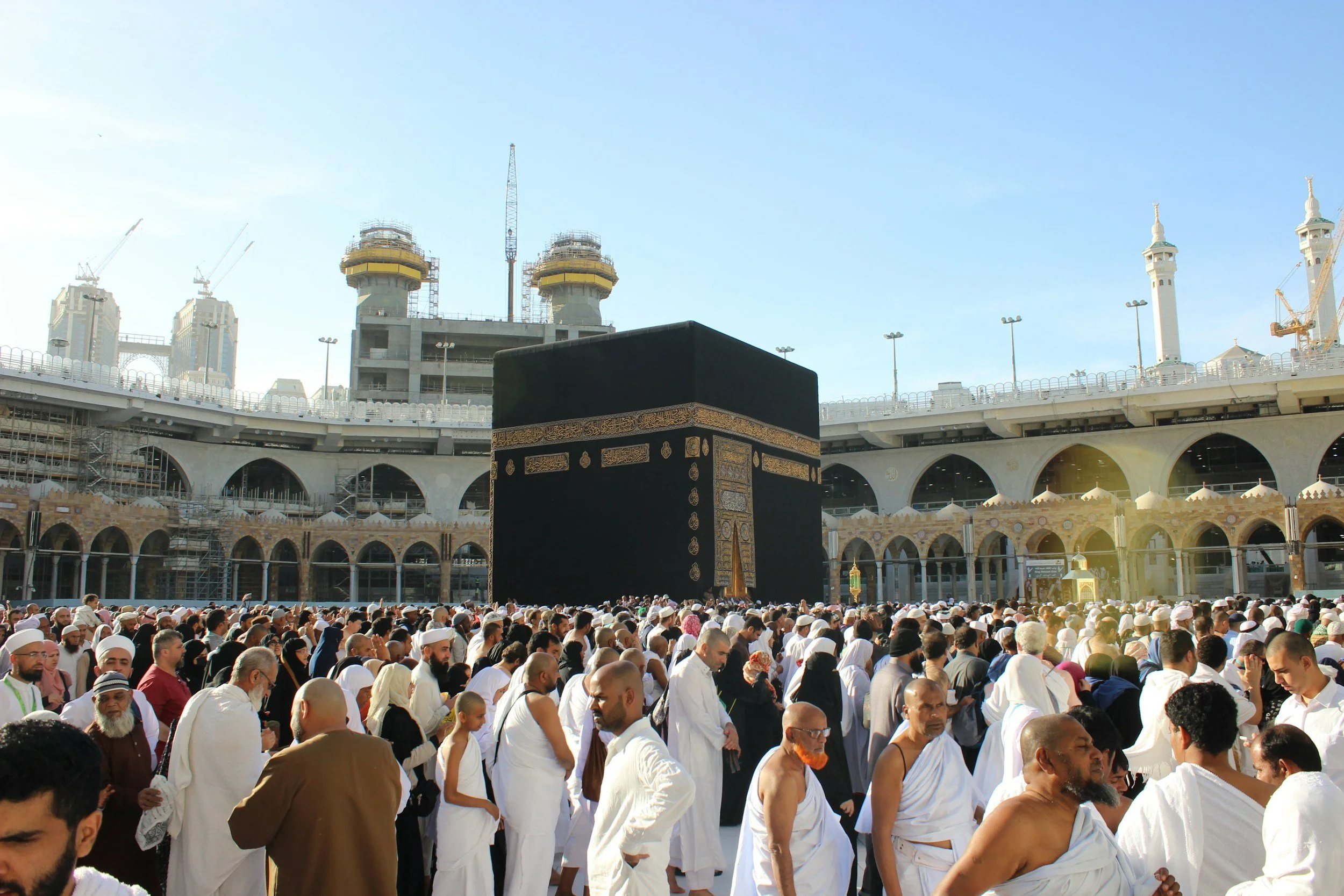
If you are preparing for Hajj in 2026, it is worth checking your vaccines and travel health requirements as early as possible.
Hajj involves very large crowds, long periods on your feet, intense heat, and close contact with people from around the world, so health preparation is an important part of getting ready to travel. Saudi Arabia issues specific health requirements for Hajj each year, and some of them are time-sensitive.
Meningitis ACWY Vaccine
For most pilgrims, the most important starting point is the meningococcal ACWY vaccine. For Hajj 1447H (2026), the Saudi Ministry of Health states that all individuals intending to perform Hajj, as well as seasonal workers in Hajj areas, must have a valid meningococcal vaccination certificate before travel. The vaccine must be given at least 10 days before arrival in Saudi Arabia. Conjugate ACWY vaccines are accepted if given within the last 5 years, while polysaccharide ACWY vaccines are accepted if given within the last 3 years. The certificate should clearly state the vaccine name and date of administration. If the vaccine type is not recorded, Saudi guidance says it may only be treated as valid for 3 years.
Preparing Early
This is one of the main reasons not to leave Hajj vaccines until the last minute. Even if you have had a meningitis vaccine before, it may no longer be valid for travel, or your documentation may not contain the detail needed for your certificate. For UK travellers, NaTHNaC notes that the ACWY vaccines used in the UK are conjugate vaccines, and that recording the vaccine name and type properly matters for the 5-year validity period.
Another point that can catch people out is that other meningitis vaccines are not the same as MenACWY. A previous MenB or MenC vaccine does not replace the Hajj ACWY requirement. TravelHealthPro specifically notes that MenB and MenC vaccines given in the UK routine schedule do not provide adequate protection for the Hajj requirement, because they do not cover all the same serogroups, including W.
COVID-19
For some pilgrims, COVID-19 evidence may also be relevant. The 2026 Saudi Hajj guidance says that individuals from specific groups are required to have proof of vaccine-induced immunity or recovery before travel. The document lists one updated 2025–2026 COVID-19 dose, completion of a primary series in 2021 to 2024, or laboratory-confirmed recovery during 2025 as acceptable routes. TravelHealthPro’s Hajj guidance for UK travellers has also highlighted that COVID-19 proof may apply to some groups, including older adults, pregnant women, and people with certain long-term conditions.
Other Vaccine Requirements
Depending on where you are travelling from, or your recent travel history, polio and yellow fever rules may also apply. The Saudi Ministry of Health lists specific countries where proof of polio vaccination is required before travel, and it also sets yellow fever certificate requirements for travellers arriving from countries with yellow fever transmission risk. These rules do not apply to everyone, but they are important for anyone travelling via another country or arriving from an affected area.
Even where a vaccine is not mandatory, some vaccines are still strongly worth discussing before Hajj. The Saudi guidance recommends that pilgrims are up to date with routine immunisations such as diphtheria, tetanus, pertussis, polio, measles, chickenpox and mumps. It also advises travellers intending to perform Hajj to receive the updated seasonal flu vaccine for 2025–2026 before travel.
Other Health Considerations
Beyond vaccines, there are a few practical health issues that matter a lot during Hajj. UK government advice warns that contagious illnesses can spread quickly in crowded conditions and that flu, colds and other respiratory problems are common. It also warns travellers to prepare for extreme heat, with temperatures sometimes exceeding 50°C during the summer months. The Saudi Ministry of Health similarly advises pilgrims to drink enough fluids, avoid excessive direct sun exposure, practise hand and respiratory hygiene, wear face masks in crowded places, and avoid contact with people who appear unwell.
Medication planning is also important. The Saudi Hajj guidance advises pilgrims with chronic conditions to carry documentation about their medical conditions and to bring sufficient quantities of their medicines in the original packaging. The UK Foreign Office also advises travellers to make sure they have enough medication for the whole trip, including in case their return is delayed.
For some people, preparing for Hajj is not just about vaccines but about whether the journey is medically appropriate at all. The Saudi guidance says there are some situations that may make Hajj unsafe, including advanced kidney failure requiring dialysis, heart failure with symptoms at minimal exertion, severe chronic lung disease requiring oxygen, advanced liver failure, severe neurological or psychiatric conditions affecting cognition, dementia, high-risk pregnancy, active infectious disease that poses a public health risk in crowded settings, and active cancer treatment causing major immunosuppression. TravelHealthPro also advises pilgrims with pre-existing conditions to discuss their fitness to travel with their doctor in advance.
Help With Vaccines and Health Before Hajj
At Pharmacy Clinic Edinburgh, we can help you review what may apply to your trip, arrange travel vaccines where appropriate, and make sure your documentation is suitable for travel.
Our TravelSafe travel health service includes dedicated appointments for pilgrimages to Saudi Arabia, to ensure we are fully prepared for your appointment with vaccines and certificates.
If you are planning Hajj from Edinburgh or elsewhere in Scotland, it is sensible to sort this early so that there is enough time for appointments, vaccine timing, and any follow-up questions before departure.
More on Travel Health