First Time Hay Fever? Get Online Advice and Treatment Recommendations Across the UK
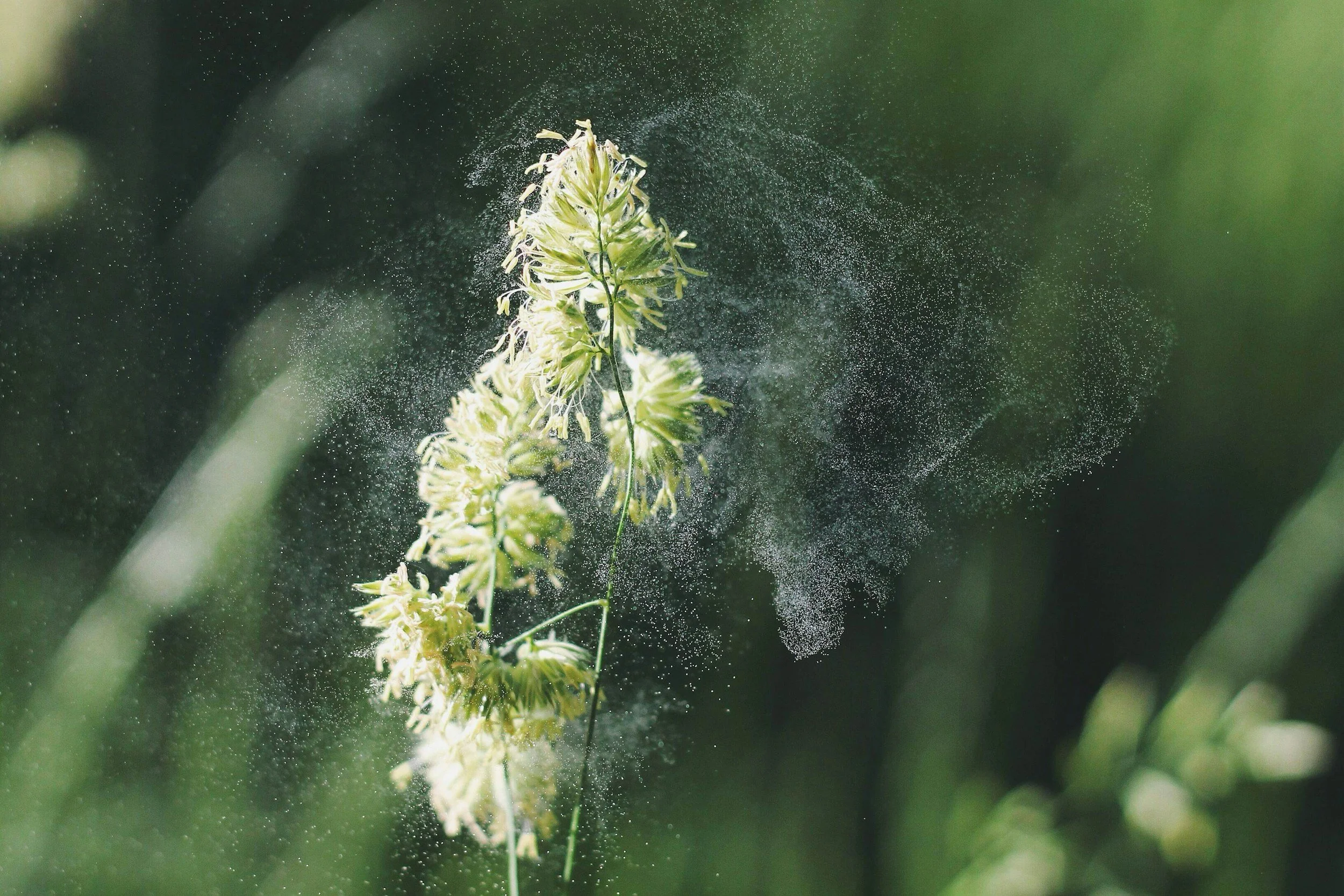
If you think you may be experiencing hay fever for the first time, it can be hard to know what you are dealing with. Sneezing, itchy eyes, a runny nose and a blocked nose can all look like a cold at first, especially in spring. But hay fever often follows a pattern: symptoms tend to flare when pollen levels rise, may feel worse outdoors, and often come with itching of the eyes, nose or throat. The NHS lists common hay fever symptoms as sneezing, coughing, a runny or blocked nose, itchy or watery eyes, an itchy throat, mouth, nose or ears, and sometimes headache or tiredness.
Hay fever season can also start earlier than many people expect. Allergy UK noted in March 2026 that many people think of hay fever as a summer problem, but tree pollen can cause symptoms much earlier in the year. The Met Office says tree pollen usually appears first, followed by grass pollen and then weed pollen later in the season.
How to tell if it may be hay fever rather than a cold
Hay fever is more likely if your symptoms come and go depending on where you are, feel worse on dry or windy days, or include a lot of itching. A cold is usually more short-lived and may come with fever, general aches, or feeling unwell in a different way. Allergic rhinitis and hay fever usually do not cause a high temperature. NHS guidance on hay fever and allergic rhinitis separates it from infections and notes that symptoms can be seasonal and triggered by allergens such as pollen.
If you are not sure, that is exactly where advice can help. First-time hay fever sufferers often do not need an immediate prescription, but they do benefit from knowing which treatment is most likely to help and how to use it properly.
Why getting advice early can make a difference
A lot of people wait until symptoms become miserable before trying anything. In practice, early treatment often works better than trying to catch up once your nose and eyes are already very irritated. Allergy UK advises people to monitor pollen forecasts and plan ahead, and its pollen guidance notes that preventive treatment strategies can help before pollen peaks. The Met Office now provides a UK-wide five-day pollen forecast, which can help people spot a likely link between symptoms and pollen exposure.
What treatment is usually recommended first?
For many people, hay fever can be managed with over-the-counter treatments and practical pollen-avoidance measures. A pharmacist can help with hay fever and may recommend antihistamine drops, tablets or nasal sprays, as well as steroid nasal sprays. Some antihistamines can cause drowsiness, so advice on choosing the right option matters.
Depending on your symptoms, medical history and current medications, treatment recommendations may include:
a non-drowsy antihistamine if sneezing, itching or a runny nose are the main problem
eye drops if itchy, red or watery eyes are bothering you
a steroid nasal spray if nasal blockage, inflammation or ongoing symptoms are a bigger issue
Steroid nasal sprays such as fluticasone or beclometasone are used to prevent and treat allergic rhinitis and hay fever symptoms, and that they reduce swelling and irritation in the nose.
Why first-time sufferers should choose advice first
If this is your first hay fever season, the hardest part is often not knowing where to start. There are multiple treatment types, and the best option depends on whether your main symptoms are sneezing, itching, eye symptoms, blocked nose, or a mixture of all of them. Some people do very well with one product. Others need a combination approach. A regular oral antihistamine together with a steroid nasal spray and eye drops can be most effective for some people with broader symptoms.
That is why our online advice-only service can be helpful. If you are dealing with suspected hay fever for the first time, we can review your symptoms online and recommend the most suitable next steps, including which pharmacy treatments may be worth trying first and how to use them properly.
Practical things that can help alongside treatment
Medication is only one part of managing hay fever. Allergy UK recommends checking pollen forecasts, showering and changing clothes after being outdoors, and using protective measures such as sunglasses or a mask on high-pollen days. Its guidance also advises against drying clothes outside when pollen counts are high.
When to seek more urgent help
Hay fever itself is not usually dangerous, but if you are wheezing, short of breath, your chest feels tight, or your symptoms do not fit a simple allergy pattern, you should seek urgent medical advice. Allergy UK says urgent help should be sought if hay fever symptoms are associated with asthma symptoms such as tight chest, wheeziness or difficulty breathing.
Online hay fever advice across the UK
Our online minor ailments service is available across the UK for people who want clear advice on what may help. If you think you may have hay fever for the first time, we can assess your symptoms and provide treatment recommendations, including advice on which over-the-counter options may suit you best and when further review may be needed.

More From Us