
🇵🇪 Travel Requirements & Health Advice for Peru (2026)
✈️ Entry Requirements
UK tourists can usually enter Peru without a visa for short stays.
Your passport should be valid for the duration of your stay.
Always check official UK Government guidance for the latest entry rules.
💉 Recommended Vaccines
According to NaTHNaC (TravelHealthPro), travellers to Peru are usually advised:
Routine UK vaccines
Tetanus, diphtheria & polio
MMR
Commonly recommended travel vaccines
Hepatitis A
Typhoid
Tetanus booster
Additional vaccines depending on itinerary
Yellow fever (recommended for some regions, especially jungle areas)
Hepatitis B
Rabies (long stays, rural or remote travel)
Vaccines are patient-specific and there is no one-size-fits-all recommendation - so book in with us to find out which ones you may be recommended.
🦟 Malaria Risk
Malaria risk exists in parts of the Amazon basin and low-lying jungle areas.
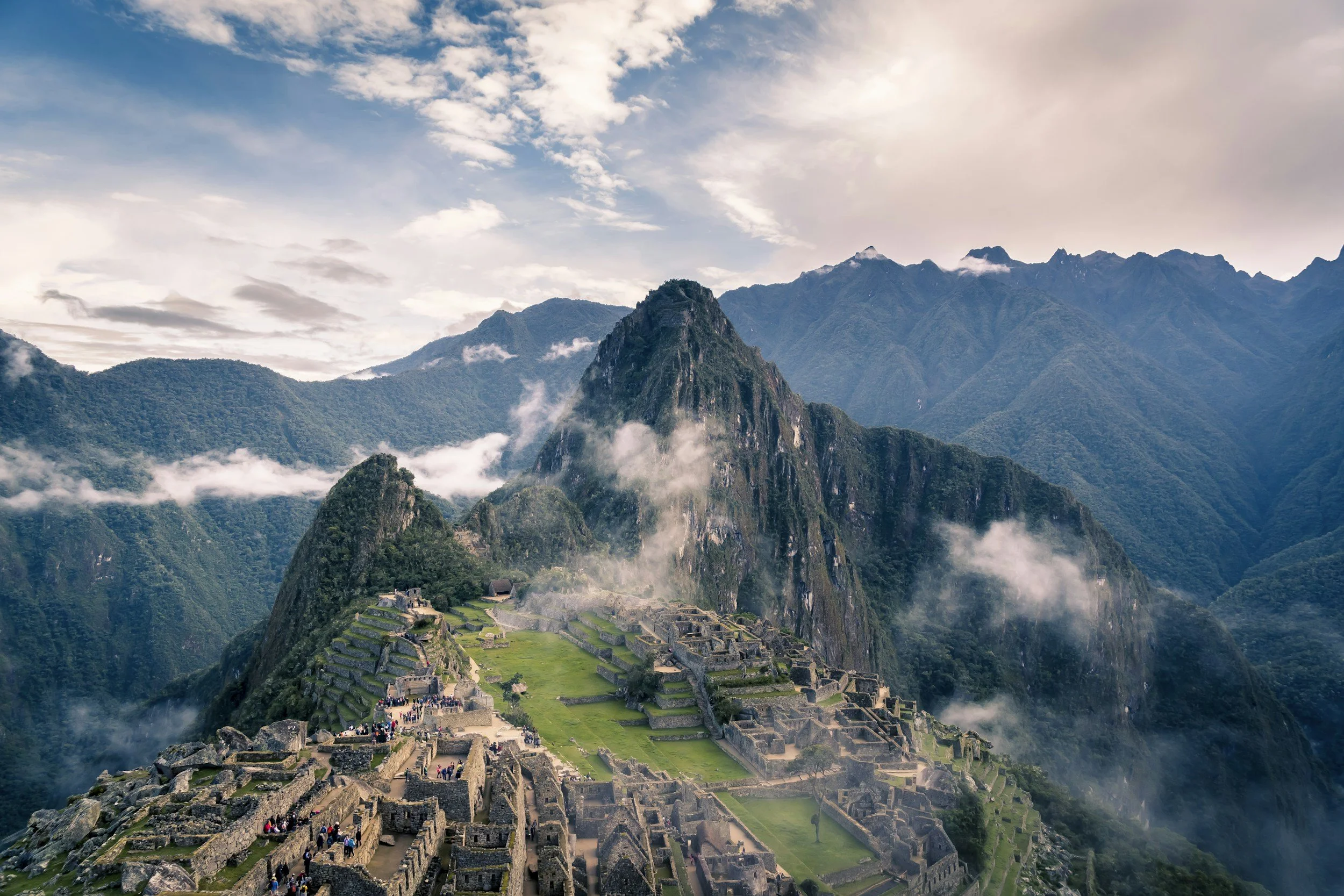
There is no malaria risk in Lima, Cusco, Machu Picchu, or most highland areas.
Antimalarial tablets may be advised for jungle travel.
Mosquito bite prevention remains important.
🏔️ Altitude Sickness
Altitude sickness is a significant consideration in Peru.
Cusco, Machu Picchu, and other Andean destinations are at high altitude.
Symptoms can include headache, nausea, dizziness, and fatigue.
Gradual ascent is important, and altitude sickness medication (e.g. acetazolamide) may be advised.
🩺 Travel Health Advice
Travel health consultations should be booked at least 6–8 weeks before departure.
Altitude planning is as important as vaccines.
Ensure travel insurance covers high-altitude activities.
