
Laser Hair Removal: How It Works, What It Treats, and Who It’s Suitable For
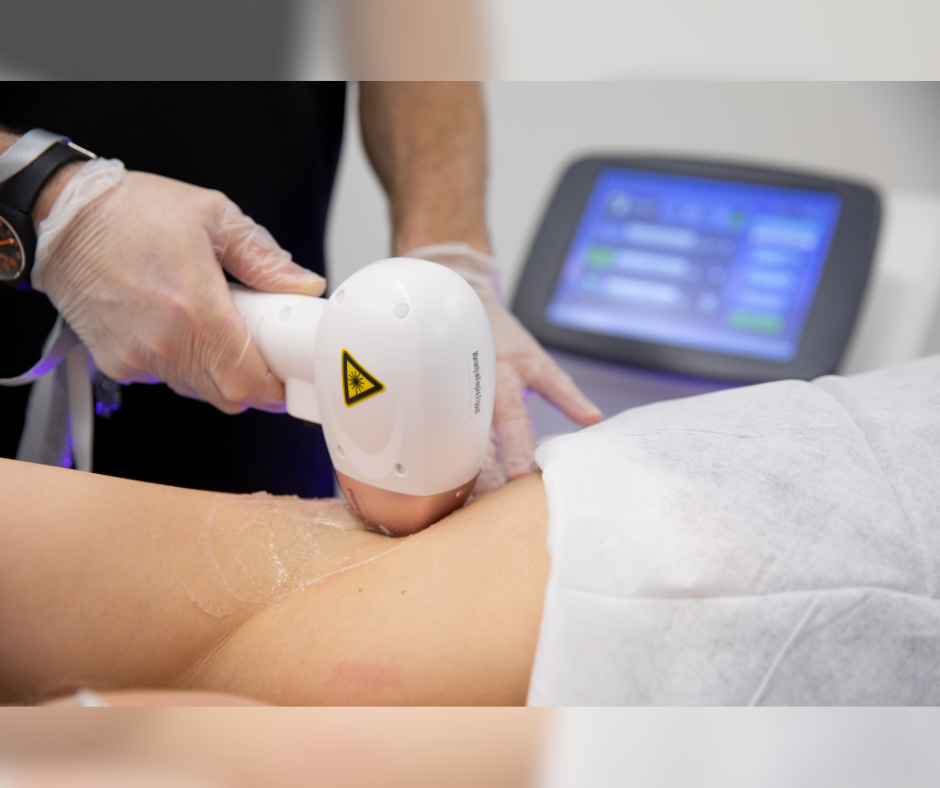
Laser hair removal is one of the most commonly requested aesthetic treatments, yet it is also one of the most misunderstood. Expectations are often shaped by marketing claims rather than biology, which can lead to disappointment if the process is not properly explained.
This article outlines how laser hair removal works, what it can and cannot treat, and who it is suitable for, using an evidence-based, clinical framework.
How Laser Hair Removal Works
Laser hair removal works through a process called selective photothermolysis.
In simple terms, laser energy is absorbed by melanin (pigment) within the hair shaft. That energy is converted into heat, which damages the hair follicle and reduces its ability to produce a terminal (thick, pigmented) hair.
Laser targets the follicle to interrupt future growth.
This is why laser hair removal requires multiple sessions over time.
The Hair Growth Cycle, and Why It Matters
Hair grows in cycles, and laser is only effective during one specific phase.
Anagen (active growth phase):
The hair is attached to the follicle and contains sufficient pigment.
→ This is the phase laser can treat.Catagen (transition phase):
The follicle begins to detach from the hair.Telogen (resting phase):
The hair eventually sheds and the follicle lies dormant.
At any given time, only a proportion of hairs are in the anagen phase, which is why:
One session cannot remove all hair
Treatments must be spaced correctly
Skipping sessions reduces overall effectiveness
Laser hair removal is a cumulative process, not an instant one.
What Laser Hair Removal Treats Well
Laser hair removal is most effective for:
Unwanted terminal hair
Recurrent ingrown hairs
Folliculitis related to shaving
Areas prone to irritation from waxing or shaving
Common treatment areas include:
Face and neck
Underarms
Bikini and intimate areas
Legs
Chest, back, and shoulders
Laser is a hair reduction treatment, meaning it reduces hair density, thickness, and regrowth speed. Some maintenance treatments may be required long term.
Skin Tone and Hair Colour Considerations
Laser hair removal relies on contrast between hair pigment and skin pigment.
Dark hair responds best because it contains more melanin
Very light, grey, or red hair responds poorly or not at all
Skin tone influences wavelength choice and treatment settings
In darker skin tones, melanin in the skin competes with melanin in the hair. For this reason:
Longer wavelengths are often used
Conservative settings are essential
Patch testing may be required
When performed correctly, laser hair removal can be delivered safely across a wide range of skin tones. The determining factor is clinical assessment and parameter selection, not skin colour alone.
Who Can Have for Laser Hair Removal?
Laser hair removal is suitable for most people, but not all.
It may not be appropriate if:
Hair lacks sufficient pigment
There is active infection or inflammation in the area
Certain photosensitising medications are being taken
There is recent sun exposure or tanning
This is why a consultation and medical history are essential before treatment.
Laser Hair Removal in Edinburgh
In a city like Edinburgh, seasonal factors such as lower winter UV exposure can support laser treatment planning. However, lifestyle, skin condition, and individual risk factors are always more important than timing alone.
A properly planned course of treatment focuses on:
Skin safety
Correct spacing
Long-term outcomes rather than rapid short-term change
